Discover the jewels of Menorca: The best beaches in the north and south for your nautical adventures

Menorca, the pearl of the Mediterranean, is an ideal destination for sailing enthusiasts and coastal activities.

With its stunning coastline filled with beaches and coves of crystal-clear waters, this Balearic island is a paradise for those looking to explore its waters by boat. If you’re planning a nautical vacation in Menorca, you’ve come to the right place!

In this article, we’ll take you on a deep dive into the best beaches in the north and south of Menorca, some of which are located in the Menorca Biosphere Reserve.

The recommendation is made by a professional skipper native to the island, who is familiar with its best coves and most charming spots. Additionally, if you’re looking to rent a boat or participate in exciting nautical activities, we recommend taking the time to visit our website, where you can find the perfect boat and high-quality services.

Beaches in the North of Menorca

  1. Cala Pregonda: Located on the north coast of Menorca, Cala Pregonda is a gem surrounded by golden cliffs and crystal-clear waters. This secluded beach is an ideal spot to anchor your boat and enjoy a day of snorkeling or diving in its nearby reefs. Its location in a marine reserve area makes it a unique natural environment, where biodiversity flourishes and nature predominates.
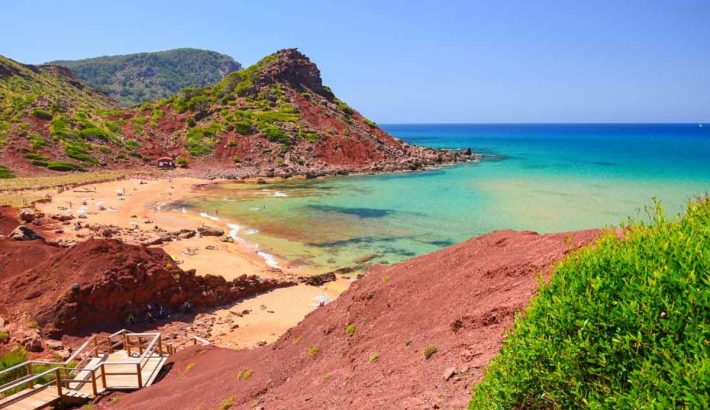
  2. Playa de Cavalleria: This extensive beach of red sand is a natural spectacle located in the S’Albufera des Grau Natural Park, an integral part of the Biosphere Reserve. Great anchorage to spend the night, or enjoy a fantastic day in its crystal-clear waters.
  3. Cala Morell: A quiet and picturesque spot in the north of Menorca, Cala Morell is perfect for those seeking relaxation. Its waters are ideal for swimming, and the natural surroundings are stunning. This area is also close to the Biosphere Reserve, ensuring the protection of its natural beauty, while also offering various bars and restaurants accessible by dinghy or swimming. The personal recommendation is to visit the Ivette beach club for a drink and sunset views, or access Enricana, where you can find a wide variety of sushi.
  4. Cala Pilar: Accessible only by boat or hiking, Cala Pilar is a hidden gem on the north coast. Its crystal-clear waters and golden sand will transport you to a distant paradise. This cove is also part of the Biosphere Reserve, ensuring its conservation and pristine beauty, as well as great biodiversity underwater, and excepcional cliffs. Plenty of space for anchoring, where you can spend the day peacefully with family and friends.

Beaches in the South of Menorca

  1. Cala Macarella and Macarelleta: These two coves are located in the south of Menorca and are famous for their beauty and turquoise waters. Anchor your boat and enjoy the tranquility of Macarella, or swim to Macarelleta for breathtaking panoramic views. Be careful with the time of year you visit, as it tends to be the busiest!
  2. Cala Galdana: One of the most popular beaches in the south of the island, Cala Galdana is ideal for families. Its shallow waters and nearby amenities make it a comfortable place to spend the day, if you’re not looking for the “virginity of the place”, surrounded by many services of all type.
  3. Cala Escorxada: A small hidden gem nestled between cliffs, Cala Escorxada offers a quieter atmosphere. It’s perfect for swimming and snorkeling in crystal-clear waters. Only accessible by an hour’s walk or by boat, it’s one of the most spectacular and lesser-known coves in Menorca.
  4. Cala Trebalúger: This hidden beach is only accessible hiking from Cala Galdana or by boat, making it even more special. It’s an excellent option if you’re looking for a more secluded spot to enjoy nature. There is plenty of space for anchoring, and it’s an ideal cove to spend the night. It also has a stream that flows into the sea, which you can visit by kayak or paddleboard and enjoy its tranquility and biodiversity.

Menorca is a nautical treasure with beaches to suit all tastes. If you’re planning a trip to this beautiful island, be sure to visit the mentioned beaches and explore the wonders of its sea. And, of course, to meet all your nautical needs, don’t hesitate to contact us, where we will help you find the perfect boat and provide exceptional service to make your adventure unforgettable.

Dare to experience Menorca at its best and contribute to the preservation of its unique environment!

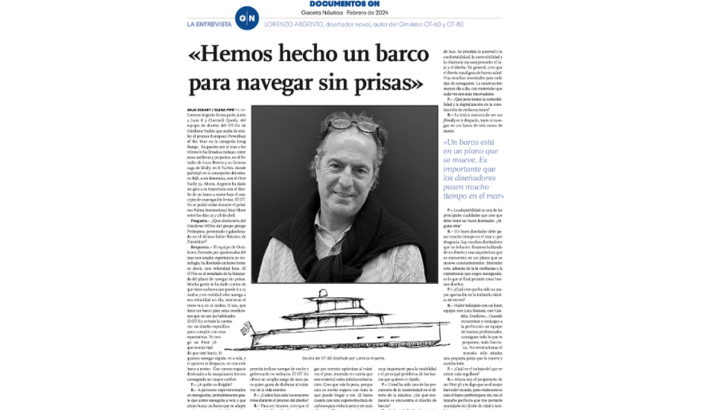
Entrevista con Lorenzo Argento, el diseñador del nuevo OT-60 y OT-80 del astillero Omikron de Grecia

«Hemos hecho un barco para navegar sin prisas»

Lorenzo Argento forma parte, junto a Juan K y Ciarmoli Queda, del equipo de diseño del OT-6o de Omikron Yachts que acaba de recibir el premio European Powerboat of the Year en la categoría Long Range. Su pasión por el mar y los veleros le ha llevado a trabajar, entre otros astilleros y proyectos, en el Estudio de Luca Brenta y su famosa saga de Wally; en B Yachts, donde participó en la concepción del exitoso B38, o en Beneteau, con el First Yacht 53. Ahora, Argento ha dado un giro a su trayectoria con el diseño de un barco a motor bajo el concepto de «navegación lenta». El OT-6o se podrá visitar durante el próximo Palma International Boat Show entre los días 25 y 28 de abril.

Pregunta.- ¿Qué destacaría del Omikron OT6o del grupo griego Prokopiou, presentado y galardonado en el último Salón Náutico de Düsseldorf?

Respuesta.- El equipo de Omikrom, formado por apasionados del mar con amplia experiencia en tecnología, ha diseñado un barco lento, es decir, con velocidad baja. El OT6o es el resultado de la búsqueda del placer de navegar sin prisas.

Mucha gente se ha dado cuenta de que tiene un barco que puede ir a 25 nudos y en realidad sólo navega a esa velocidad un día, mientras el resto va a 1o-11 nudos. O sea, que tiene un barco para unas condiciones que no son las habituales.

El OT-6o es todo lo contrario: un diseño específico para cumplir con esas expectativas. Yo tengo un First 36 que va más rápido que este barco. Si quieres navegar rápido, ve a vela, y si quieres ir despacio, ve con este barco a motor. Con menos espacio destinado a la maquinaria hemos conseguido un mayor confort.

P.- ¿A quién va dirigido?

R.- A patrones experimentados en navegación, probablemente gente que antes navegaba a vela y que ahora busca un barco que se adapte mejor a su nueva situación, que permita incluso navegar de noche y gobernarlo en solitario. El OT 60 ofrece un amplio rango de usos para quien gusta de disfrutar al máximo de la vida exterior.

P.- ¿Cuáles han sido los mayores retos durante el proceso del diseño?

R.- Para ser sincero, creo que el uso de cristal ha sido el precio a pagar por intentar optimizar al máximo el peso, teniendo en cuenta que este material rodea toda la embarca-ción. Creo que vale la pena, porque uno se siente seguro con todo lo que puede llegar a ver. El barco cuenta con una superestructura de carbono para reducir peso y ser más eficiente. El peso es un elemento muy importante para la estabilidad y el principal problema de los barcos que quieren ir rápido.

P.- Usted ha sido uno de los precursores de la modernidad en el diseño de la náutica. ¿En qué momento se encuentra el diseño de barcos?

R.- Se ha redefinido el concepto de lujo. Se prioriza la quietud y la confortabilidad, la sostenibilidad y la eficiencia sin comprometer el lujo y el diseño. En general, creo que el diseño naval goza de buena salud.

Hay muchas novedades para todo tipo de navegantes. La construcción mejora día a día, con materiales que cada vez son más innovadores.

P.- ¿Qué peso tienen la sostenibilidad y la digitalización en la construcción de embarcaciones?

R.- La única manera de ser eco friendly es ir despacio, tanto si navegas en un barco de vela como de motor.

«Un barco está en un plano que se mueve. Es importante que los diseñadores pasen mucho tiempo en el mar»

P.- La adaptabilidad es una de las principales cualidades que cree que debe tener un buen diseñador. ¿Alguna otra?

R.- Un buen diseñador debe pasar mucho tiempo en el mar y, por desgracia, hay muchos diseñadores que no lo hacen. Estamos hablando de un diseño y una arquitectura que se encuentra en un plano que se mueve constantemente. Entender esto, además de la la confianza y la experiencia que coges navegando, es lo que al final permite crear buenos diseños.

P.- ¿Cuál cree que ha sido su mayor aportación en la industria náutica de recreo?

R.- Haber trabajado con un buen equipo: con Luca Bassani, con Candela, Omikron… Cuando encuentras y conjugas a la perfección un equipo de buenos profesionales, consigues todo lo que te propones, todo funcio-na. No revolucionas el mundo, sólo añades una pequeña pieza que lo mueve y cambia todo.

P.- ¿Cuál es el trabajo del que se siente más orgulloso?

R.- Ahora soy el propietario de un First 36 y te digo que es el mejor barco del mundo, pero realmente es solo el barco perfecto para mí, con el tamaño perfecto que me permite manejarlo sin límite de edad y también mantenerlo.

FYS MALLORCA AT PIBS 2024

-SAVE THE DATE-

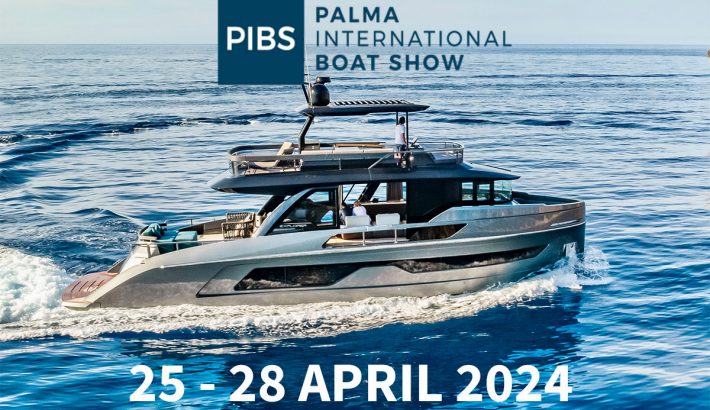
We are thrilled to announce the latest addition to our showcase at the PIBS 2024: Explorer 62

This cutting-edge vessel seamlessly combines Italian luxury with a robust German financial foundation. Safety is a primary priority aboard this owner-operated yacht, featuring a crash-tested hull and excessive safety systems typical of superyachts. With three stabilizing mechanisms ensuring unparalleled stability, you can say goodbye to rolling motion on open waters, thanks to its advanced GPS system.

What truly sets the Explorer 62 apart is its forward driving position, as in a real explorer superyacht, and its striking open living space of 70 sqm. This area can be transformed according to the owner’s preferences and offers panoramic views of the surroundings. The flybridge complements this design with an additional helm station, sunbeds, and a BBQ/bar – making it the perfect spot for entertainment. This Explorer 62 is truly conceived as a modern floating home.

But that’s not all. This extraordinary Explorer offers a remarkably short delivery time of just 7 months.


Don’t miss your chance to experience this exceptional Explorer at the PIBS.

Come on board! 25 – 28 April |10:00-20:00| Quay P2, stand 430


Contact us for appointment and tickets. Looking forward to see you there.

‘You must be obsessed’ – an interview with the classic yacht captain Dan Poljšak of Mariska 1908 and her manager, Manon Bajart

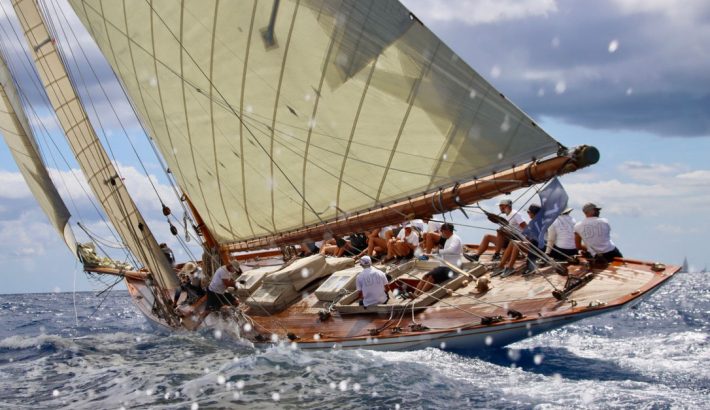
The famous ‘15 Meter Class’ is legendary and Mariska 1908 (90’60’’) is the oldest of the remaining ones. We conducted an interview with their crew, as this class holds significance, and the vessels are exceptional.

First, some general information about Mariska 1908 and William Fife:

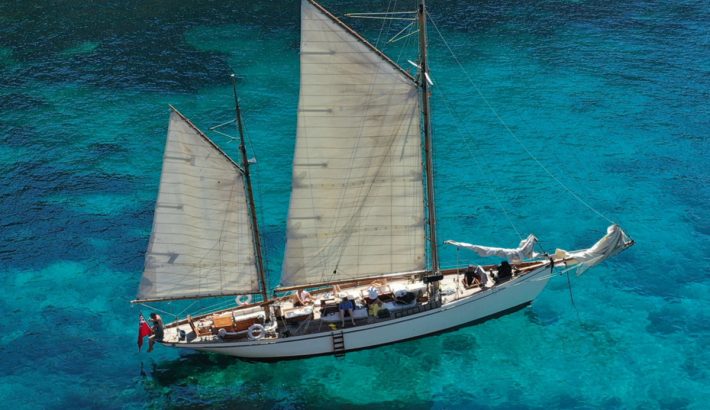
Mariska is an absolutely stunning William Fife Design, a wooden gaff cutter, and the second ever built and launched in 1908 in Scotland. Cutting-edge at the time of her construction, Mariska was owned by AK Stothert, recognized as one of the best yachtsmen of the Edwardian era. A total 20 of these magnificent 15m Class yachts were built to the International Rule * between 1908 and 1917 representing the peak of racing yachts, highly favored by the aristocracy.

These remarkable ships of supreme beauty participated in grand regattas in the most charismatic ports of their time. Mariska’s initial racing career lasted from 1908 to 1939. Later, she spent nearly 80 years in Sweden under the ownership of the Swedish Royal Yacht Club. Eventually, she was discovered abandoned in Holland after being used as a restaurant and floating home.

Mariska was rescued in 2007, relocated to France and underwent an incredibly comprehensive two-and-a-half-year restoration, involving 25,000 man-hours. During this period, the yacht was completely stripped back to bare frames and restored from the keel up, adhering closely to the 15m Class regulations and the original design.
Finally re-launched in September 2009, Mariska won the 15m Class Trophy in 2011, 2013, 2014, 2016 and 2017, also winning the Grand Slam in 2016 and 2017.

In 2020, the current owner acquired Mariska, making Barcelona her home base now. This year, Mariska began racing successfully with her new team, triumphing in the most prestigious regattas.

About William Fife Yachts:

In the yachting world, the name “Fife” embodies grandeur, and finest qualities one would expect in a classic yacht, from sheer elegance to superb craftsmanship to top-notch performance. These Fife Yachts are jewels of historical value whose lines are pure poetry still today.

Fun fact: Each yacht has its own emblem, its own iconic golden dragon, carved into the bow of the yacht and extended along the hull as a cove line to the stern, usually terminating in a wheat sheaf. No two dragons are identical, each overlaid with real gold leaf.

Presently, only four 15 m Class yachts remain:
Mariska 1908           with sail no. D1
Hispania 1909          with sail no. D5 (fundraising for refit)
Tuiga 1909               with sail no. D3
Lady Anne 1912       with sail no. D10

To sustain the racing tradition, Manon and Dan chose to reintroduce Mariska 1908 to the classic racing circuit alongside her sister ships.

You are sailing and managing one of the most beautiful classics. How did you find her?

Dan: The actual owner found me, while searching for a classic yacht. After extensive research, we found Mariska at an auction, bundled with some sports cars. The current owner won the bidding in 2020.
We’ve been running Mariska since then, keeping her in perfect racing condition. It was sad to see her mostly docked in port, unused.
She is a racing yacht. That is what she was built for.
Manon suggested the idea of re-entering her into classic regattas. And to keep the 15 Meter Class alive.

Manon: We proposed to the owner that we take over the management of Mariska. The 15 Meter Class currently consists of only three yachts racing, until Hispania returns. Preserving this tradition is worthwhile, and we aim to offer other sailors the experience of sailing in this class. Hence, we conceived the idea of conducting training sessions aboard Mariska, allowing sailors to learn and even race in the most prestigious regattas. The owner approved our proposal.

What does it take to sail a yacht like Mariska?

Dan: Sailing on Mariska is the purest form of the sailing experience. And she is a pretty complex machine. It’s akin to sailing as it was a century ago—no winches, solely manpower. We maintain a permanent crew of four on board. During races, we have a minimum of 18 and up to 24 sailors.
In match racing against the other 15 meters, Lady Anne and Tuiga, one might expect you to helm. Why does someone else steer during the regattas?

Dan: Steering the boat is pretty simple, but Mariska is a demanding boat, she requires 100% of my concentration. I’m responsible for ensuring everything works perfectly, consistently monitoring wind conditions, sails, other boats, and the best course of action. It needs perfect timing and preparedness from everyone for maneuvers, crucial in winning match races.
You need to be a perfectionist.

And the guests sailing with you – do they need to be experienced classic sailors?

Manon: No, absolutely not. During the races, we do have a minimum of six to eight skilled sailors on board, allowing one experienced sailor per two to three guests. We conduct training sessions before the race, assigning tasks according to each person’s knowledge and skills. Dan divides the boat into sections and roles, and either Dan or I assist whenever needed. This is how guests learn, improve, and enjoy themselves.

Dan: Once you get the concept of sailing Mariska and the commands for each task, it becomes relatively easy.

Manon: Additionally, we encourage female sailors to come sailing with us. I personally prefer a balanced mixed crew onboard; the energy is so much better.

How do you maintain Mariska?

Manon: We handle all the work ourselves. Dan is a highly skilled carpenter who designed and built his first boat, Schkrga, at the age of 12. Without a workshop or tools, he started building the wooden schooner Cassiopeia at 16, and even designed the sail plan. By the age of 21, he owned his own 8m schooner.

Dan: It runs in the family. I grew up with boats. My sister Lara and I began sailing in wooden optimists in Slovenia. Every weekend, we would drive to the coast for sailing. As I wanted to take friends sailing, I needed a bigger boat. The building process of Cassiopeia was a valuable experience.

Manon: As the project manager, I handle all the logistics. To cover the costs of Mariska’s maintenance, we offer sail training on a daily basis or for an entire regatta. Besides the classic regattas like Menorca, Saint Tropez, or Imperia, we’ll also offer trips during the America’s Cup in Barcelona next year. So, join us for a good cause and come sailing for a once-in-a-lifetime event!

Would you recommend a company team event onboard?

Manon: Yes, absolutely. Communication and teamwork are vital for successfully racing the boat. Onboard, the team is compelled to work together, unlike their usual daily work life where everyone is often occupied with their own tasks. We frequently witness a change in dynamics after a few days of sailing. People support and encourage each other, developing stronger relationships and growing as a team. We’ve received overwhelmingly positive feedback.

Which were your favorite regattas this year?

Manon: It’s difficult to choose, but I’d say my favorite regatta this year was in Mahon, Menorca. It was a spectacular event with a stunning fjord and an interesting sailing course that required tactical decisions based on the mountainous terrain and a finish line in port. Additionally, Les Voiles de Saint Tropez is exceptional. It’s the largest regatta of the year and the closing one. We have some impressive boats in our category like Elena of London, Naema, and Puritan, alongside the sister ships Lady Anne and Tuiga in our class. Sailing next to these beautiful classics is a pleasure, and the atmosphere in the port, with all the organized events and having both sister ships nearby, is lovely.

What’s next?

Manon: Now Dan and I are currently preparing Mariska for the winter. We plan to start varnishing in spring, depending on the weather, and then return her to racing mode.
Next year’s most significant event will be the prestigious America’s Cup in Barcelona. We’ll be officially involved as a spectator boat, organizing day trips and events for our guests, including match racing with Halloween.
Next year’s regatta schedule is intense, and we’re eagerly looking forward to it. We’ll begin with Les Dames de Saint Tropez in April, intending to participate in ten to eleven classic regattas, culminating in Les Voiles de Saint Tropez.
This year was a training year for us. Next year will demonstrate whether Mariska and our project will achieve success.

We wish you all the best. Thank you for the interview.

*  About the 15 Meter Class:

It is a construction class: meaning that the boats are not identical.
Meter does not refer to the length of the boat, but to her rating; the overall length of 15m boats measuring almost 30 meters (98 ft).

The 15mR formula used in the First International Rule from 1907 to 1920:
where

  • L = load waterline length in meters
  • B = beam in meters
  • G = chain girth in meters
  • d = difference between girth and chain in meters
  • S = sail area in square meters
  • F = freeboard in meters

The permanent crew of Mariska:
Jernej Kobal:            Race crew sail trim
Urban Šubelj:           Race crew bow man
Dan Poljšak:             Captain
Manon Bajart:          Manager

Learning from the best:

»Dan possesses extremely strong creative energy, and the ability to anticipate things beyond the horizons of the known world. What is more, he has some outstanding characteristics which are the ability to focus; the utter devotion to a project or an idea; and organizational skills reflected in his successfully performed projects. << Violeta Bulc, European Commissioner

Dan achieved success as an Optimist sailor, securing multiple national championships and being a member of the Slovenian national team. Notably, at a remarkably young age, he claimed the 1st prize in the international Volvo Ocean Race Art Competition for his drawing depicting the future of sailing boats.

European Powerboat of the Year 2024 goes to OT-60 by Omikron Yachts

European Powerboat of the Year!!! Yes! Now it is official.
Yesterday night at the Delius Klasing Flagship Night, Omikrons OT-60 got awarded with the prestigious Powerboat of the Year Award for Long Range Cruiser.

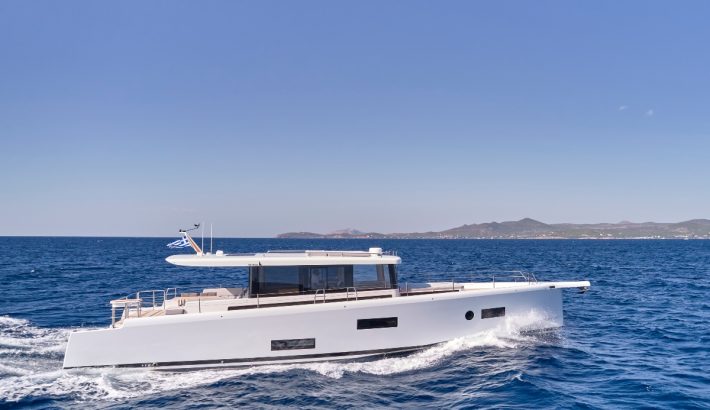
‘The Motorboat that feels like a Sailboat’, designed by two of the most renown naval architects of bespoken sailing yachts. Lorenzo Argento and Juan K. joined forces to invent a totally innovative concept of a motor yacht for Omikron Shipyard in Lavrio, near Athens. Every little detail is built in-house at the innovative Olympic Marine Shipyard, reinventing technologies for a new yachting experience.

Delighted to be their esteemed dealer, we firmly believe that the OT-60 clinched this Award for its unparalleled combination of top-notch craftsmanship and forward-thinking sustainability. Get in touch with us for further details on this remarkable new Powerboat.

FYS MALLORCA AUF DER BOOT DÜSSELDORF 2023

Sie ist endlich zurück: Die boot Düsseldorf – die größte und bedeutendste Bootsmesse der Welt. Wir sind  in der Zeit vom 21. Januar bis 29. Januar vor Ort.
Gerne beraten wir Sie persönlich an unserem Stand in Halle 16 Uhr Stand B20.
Terminanfragen per Telefon oder per E-Mail nehmen wir jederzeit gerne entgegen.

Wir freuen uns.

It’s finally back: boot Düsseldorf – the largest and most important boat trade fair and boat show in the world. We will be there from January 21st to January 29th.
We would be happy to advise you personally at our stand in Hall 4 p.m. Stand B20.
Please make your appointment by phone or mail.

Looking forward to meeting you.

WHEN IS A YACHT VAT ‘EXEMPT’ ON AGE?

VAT Exempt

Quite some clients ask us about the VAT (Value Added Tax) status ‘exempt on age’. Specially for late classic yachts, this is an important topic, to not run into tax authority troubles.

Even though the EU was formed nearly 30 years ago, there are still a number of yachts operating within the EU under the status of VAT exempt on age. This status is applied to privately owned yachts built before 1st January 1985 and also lying within the EU at midnight on 31st December 1992. Yachts complying with this criteria may be deemed VAT paid under the Single Market transitional arrangements.

As Austria, Finland and Sweden joined the EU later, the relevant dates for vessels in these countries are ‘in use’ before 1st January 1987 and moored in EU on 31st December 1994.

Documents to evidence age:

Builder’s certificate, flag registration, insurance documents or a marine survey

Documents to evidence location:

Receipt for moorings, receipt for harbor dues, dry dock records or  log books

Those proofs may be required by the local customs and often it can be difficult to provide, as receipts or invoices going back that far have often been lost or destroyed or simply not passed on as ownership has changed hands. If documentary evidence of the location of the vessel on 31st December 1992 cannot be provided, best to hand to the the local customs whatever existing documents there are for them to review and they may issue a letter of comfort that the yacht is considered by them as VAT exempt.

Change of VAT exempt status

The status of being VAT exempt on age in the EU will be retained unless a chargeable event has taken place. Examples of a chargeable event include re-entry into the EU following an export from the EU for more than 3 years, a change of ownership  outside the EU or as a result of a refit period affecting the value of the yacht.

Inboard vs Outboard Engines

Choosing the right engine for you can greatly impact how you use your boat and how you maintain it.

It is not as simple as just choosing a model and horsepower. There are four main types of engines: inboard, outboard, sterndrive and jet drive.

Inboard vs Outboard Engines

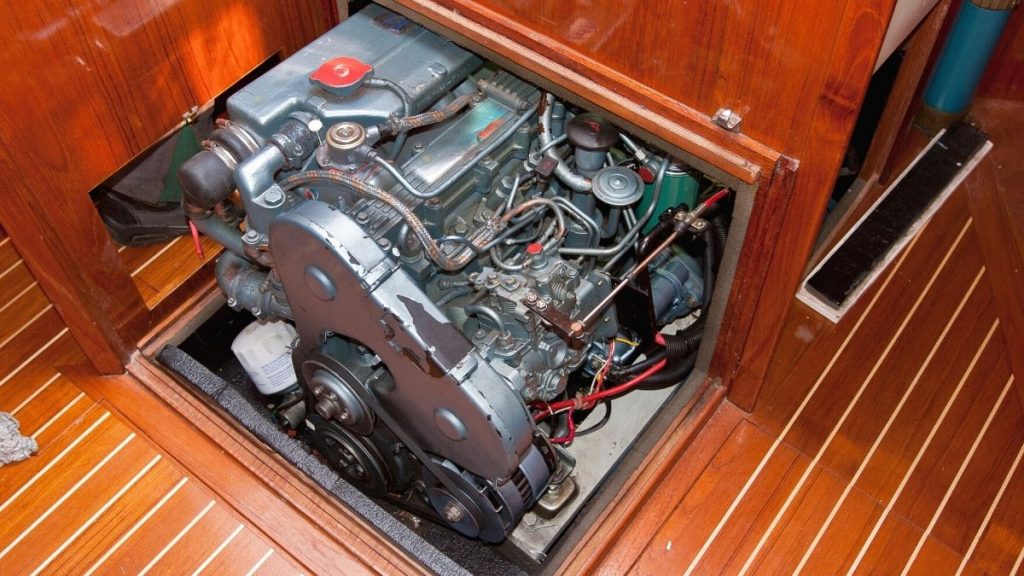
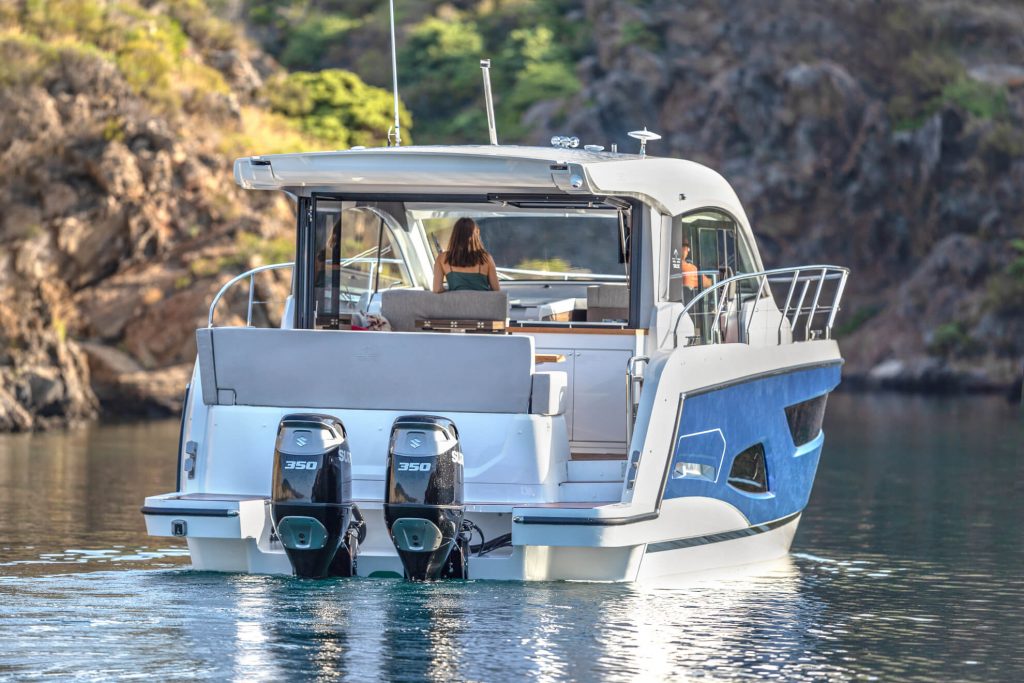
An inboard engine is like a car, the motor is mounted inside the boat usually on the lower aft of the boat. This follows down to the outdrive unit which is situated outside the boat at the aft.

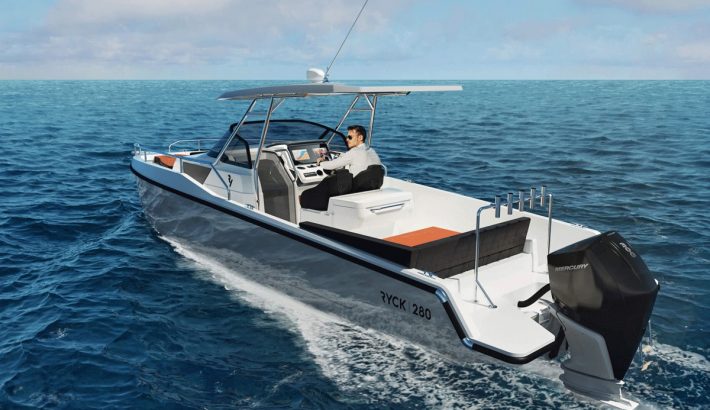
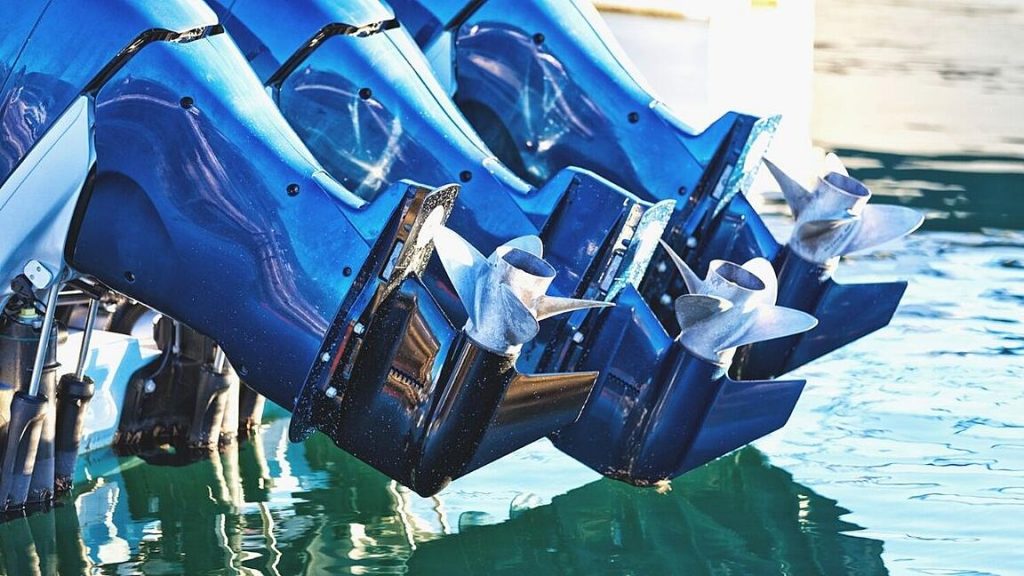
An outboard engine houses the motor and the lower outdrive on the exterior aft of the boat in its own unit.

Inboard Engines

Pros

  • Smoother
  • Similar experience as driving a car
  • Quieter
  • More fuel efficient
  • Longer lifespan
  • Aesthetics

Cons

  • Takes up space in the boat
  • More expensive to maintain and winterise
  • More components and therefore heavier
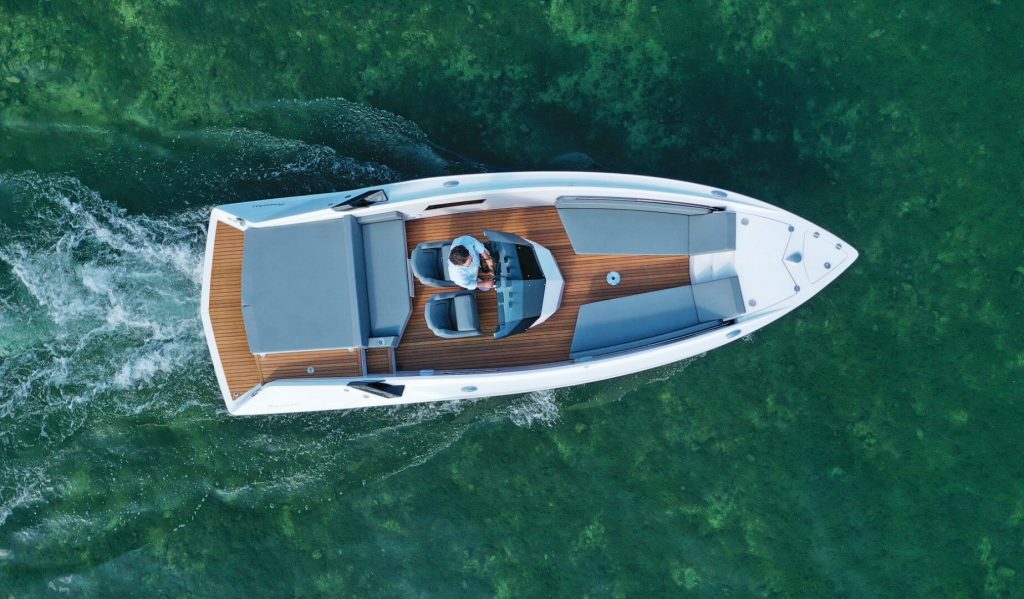
inboard vs outboard
frauscher740airmirage-forsale-FYSMALLORCA
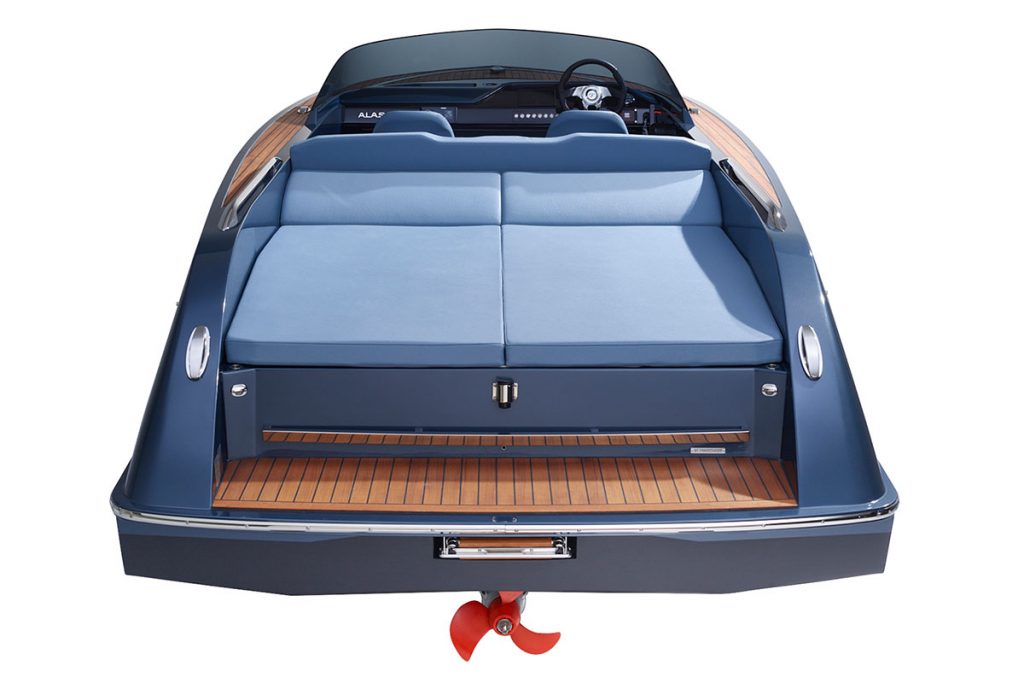
frauscher650alassio-forsale-FYSMALLORCA
inboard vs outboard
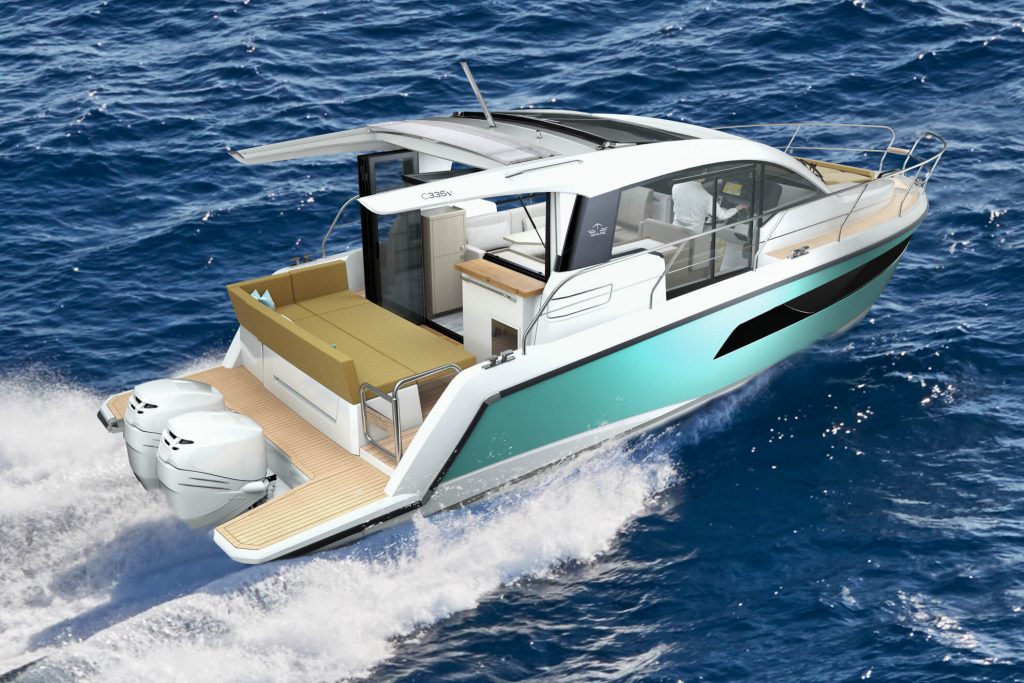
ealinec335v-forsale-FYSMALLORCA
sealineC390v-forsale-FYSMALLORCA

Outboard Engines

Pros

  • More compact and therefore takes up less space
  • Light weight and easier to work on
  • Easier for repairs and replacements without professionals
  • Lower maintenance costs
  • Not susceptible to freeze damage – prop and drive unit can be lifted out of the water
  • Trimming up the prop and drive unit makes easier access to shallower waters

Cons

  • Louder than inboard engines
  • Currently older in regards to the technology
  • Less fuel efficient
  • Some say it ruins the aesthetic

Article and photos inspired by BOATIM.

RIVA celebrates their 180th Anniversary

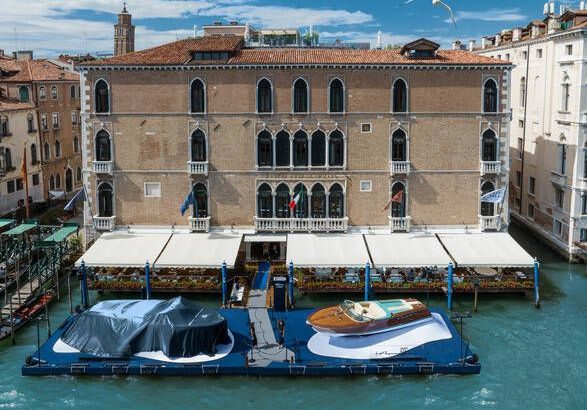
On 13th June 2022, Riva celebrated their 180th Anniversary in Venice. The Ferretti Group icon unveiled a limited edition model for their anniversary. The new Riva “Anniversario” was unveiled on a floating platform on the Venice Grand Canal.

The new masterpiece was produced as a special limited edition of just 18 boats  and pays tribute to the legendary Aquarama, which turns 60 this year.

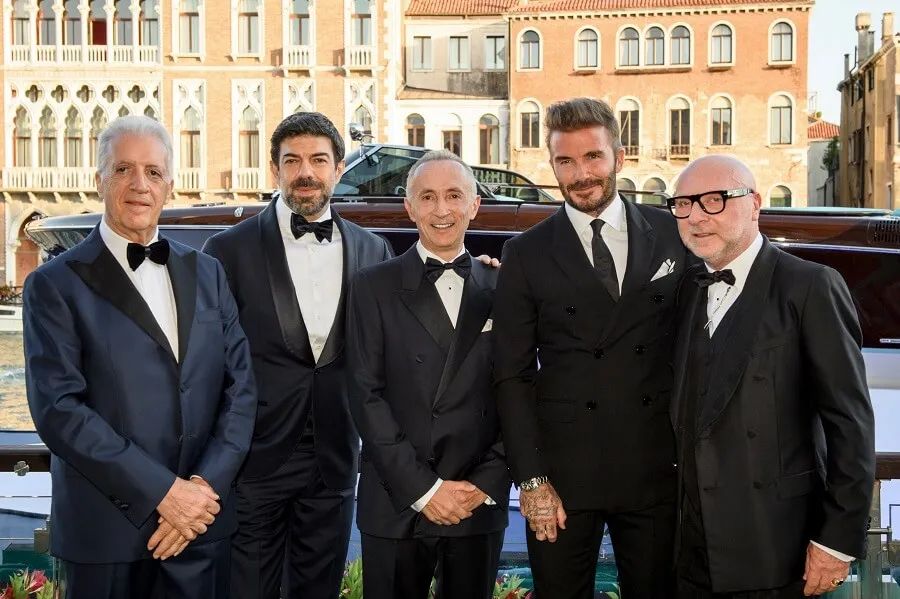
The following celebrations took place at the  Gran Teatro La Fenice where celebrities were seen joining in the festivities. Celebrities such as David Beckham, Pierfrancesco Favino and Charles Leclerc were seen.

RIVA 180th Anniversary

Article inspired by Riva and BOAT International

SUPER YACHT TIMES ARTICLE

We are very pleased to present an article written by the SuperYacht Times in regard to our recent sale of our first super yacht!

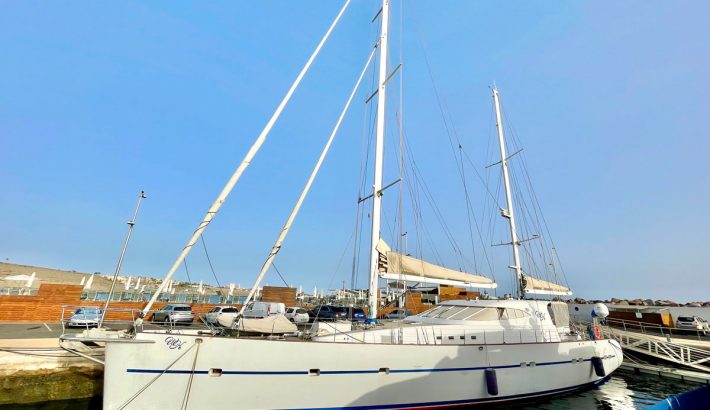
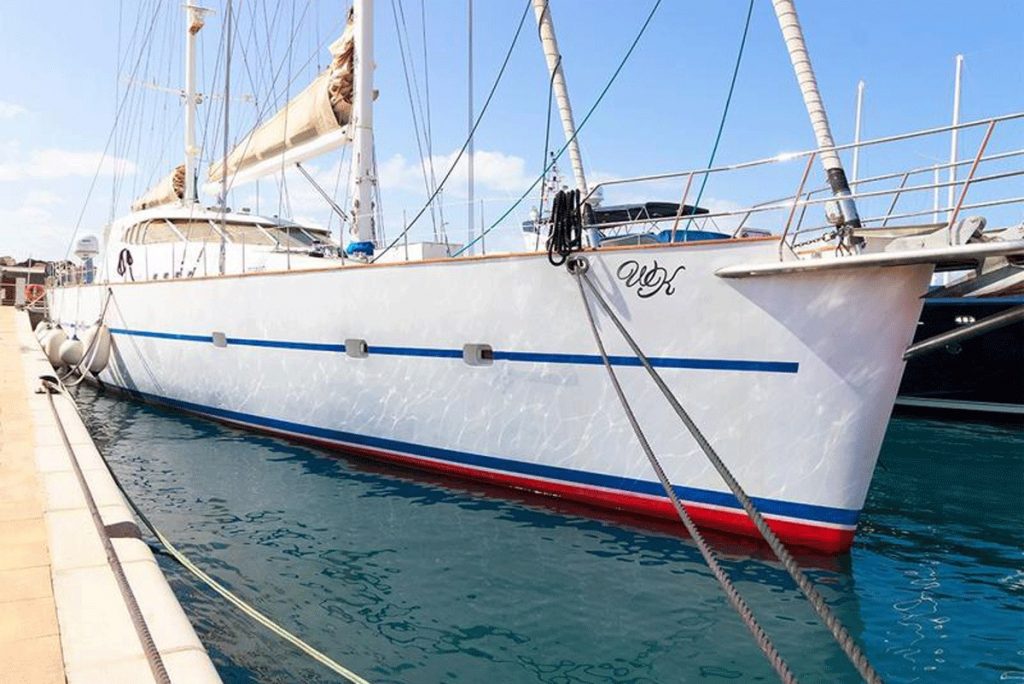
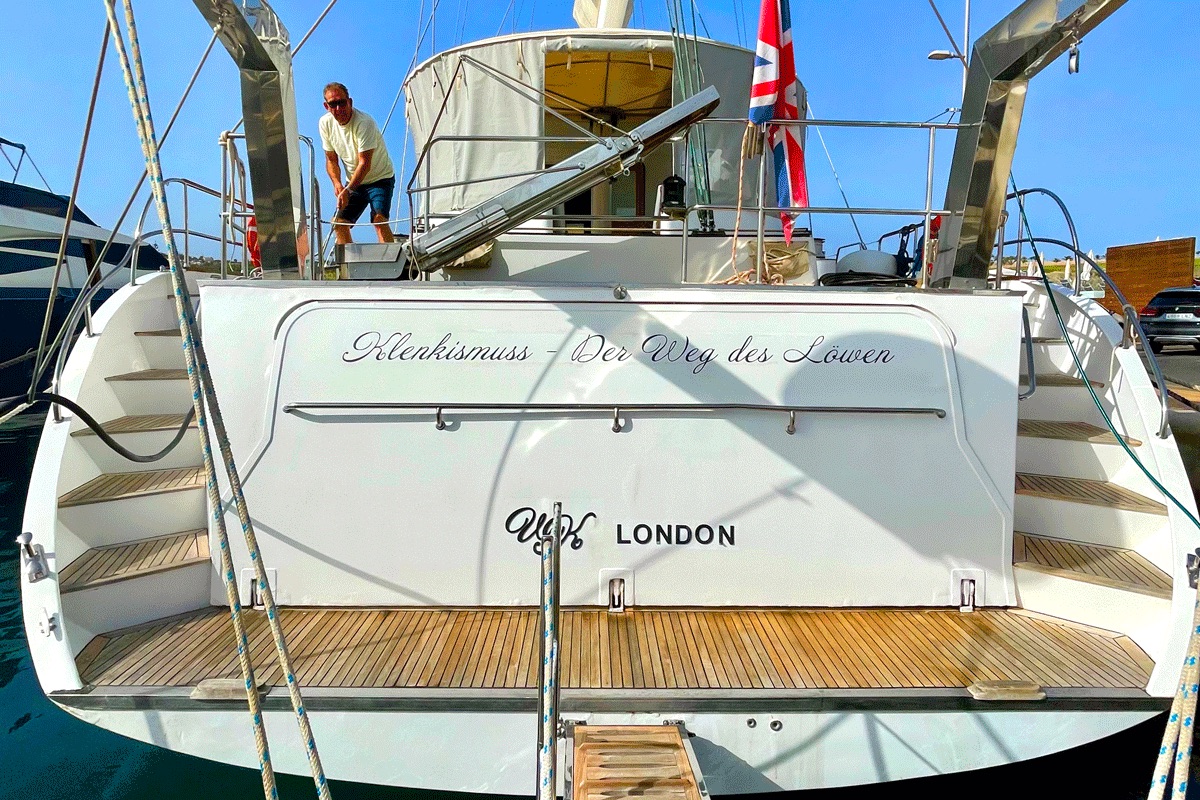
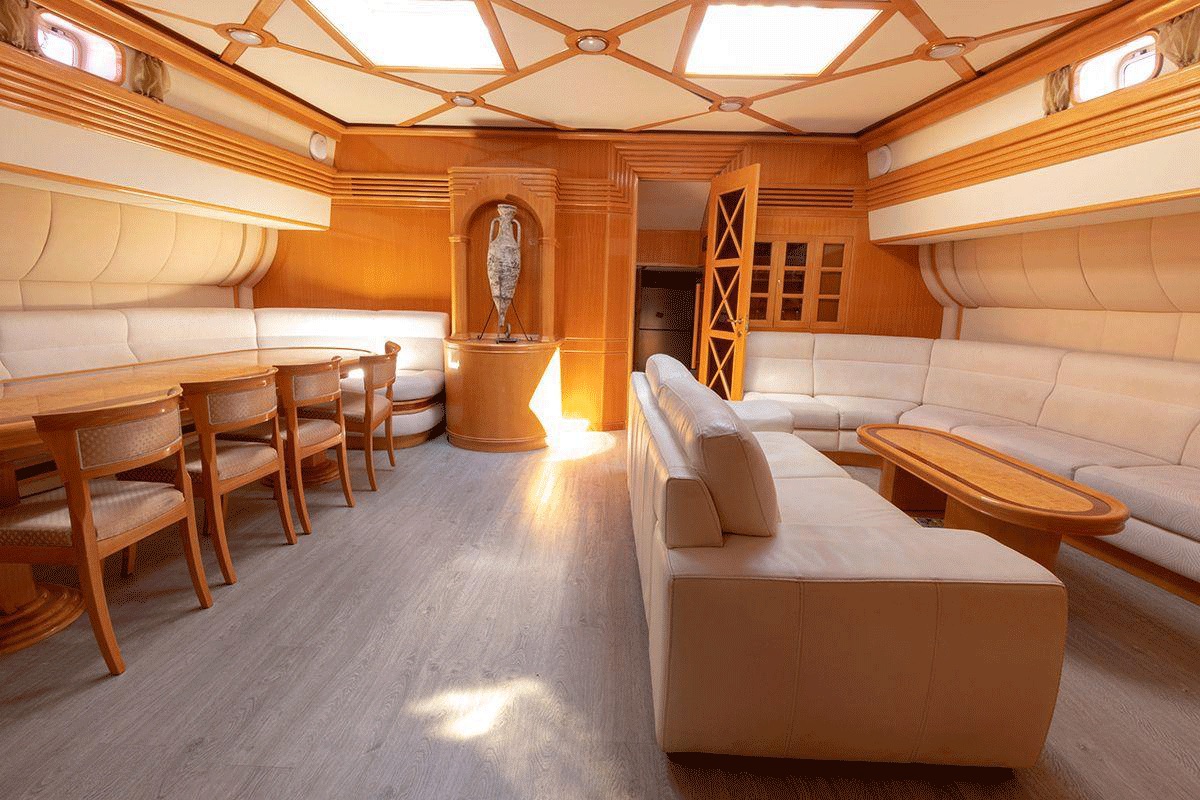
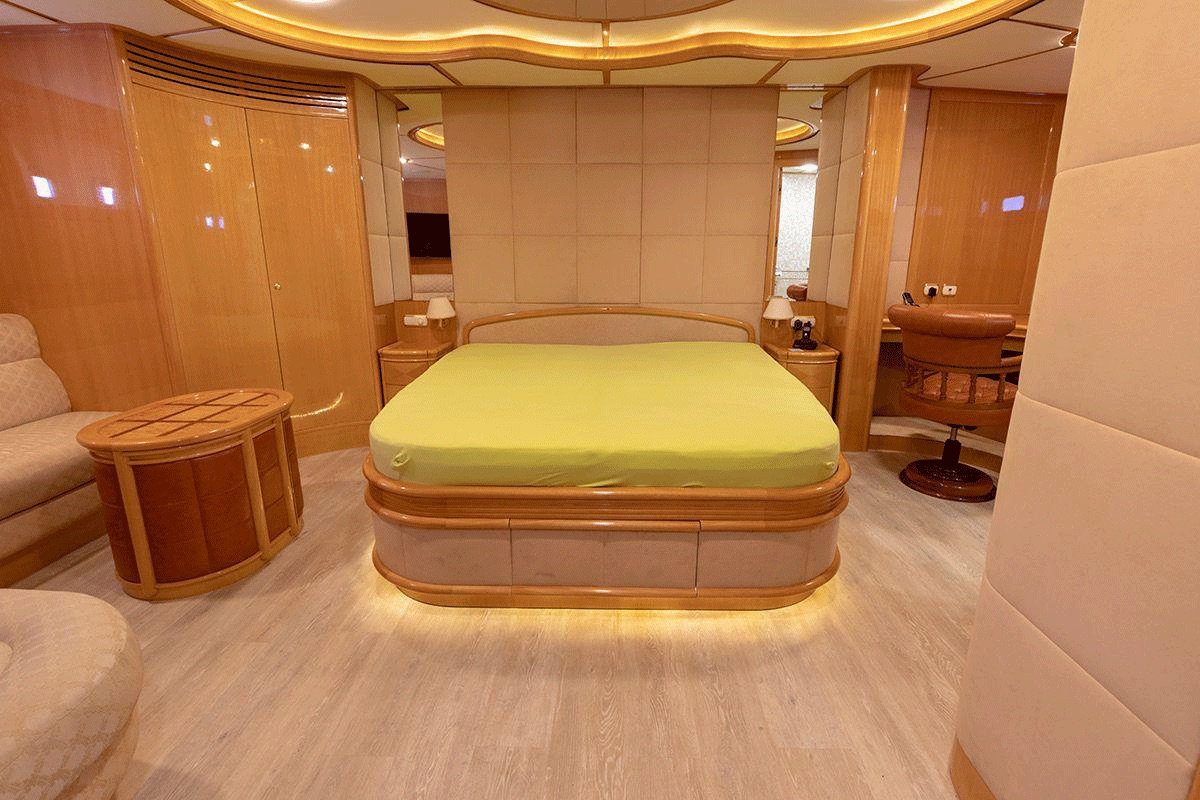
Last month we closed an in-house deal on a Custom Built Motorsailor from the Ukranian shipyard – Liman JSC Shipbuilding Yard. Both parties are very happy with the process and outcome.

This motorsailor was based in Gran Canaria. Now she will be used as a charter boat to explore the gems of the world!


’30m Liman sailing yacht WK finds new owners’ Check out the article!

Liman custom motorsailor for sale FYS Mallorca